




Office furniture plays a critical role in shaping the functionality, productivity, and overall atmosphere of a workplace. Beyond simple utility, well-designed office furniture contributes to employee comfort, organizational efficiency, and the professional image of a business. Whether setting up a corporate office, a small business workspace, or a home office, selecting the right furniture is a strategic decision that impacts daily operations.
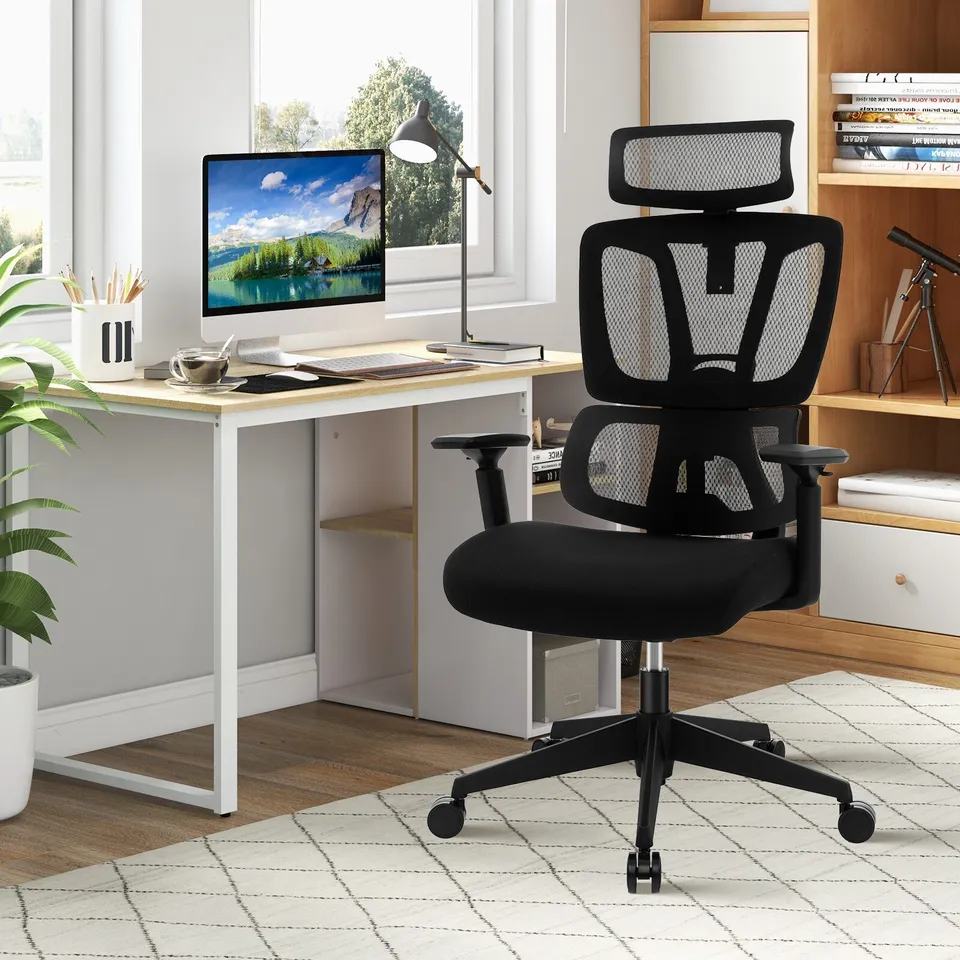
One of the most important aspects of office furniture is ergonomics. Chairs, desks, and workstations must be designed to support the human body during long working hours. Ergonomic office chairs, for example, provide lumbar support, adjustable height, and proper cushioning to reduce strain on the back and neck. Similarly, desks should be at an appropriate height and offer sufficient space for computers, documents, and accessories. Investing in ergonomic furniture helps prevent workplace injuries, reduces fatigue, and improves employee productivity.
Functionality is another key factor. Office furniture should be designed to meet the specific needs of the workplace. For instance, executive desks often include storage drawers and cable management systems, while modular workstations allow for flexible office layouts. Filing cabinets, shelves, and storage units help keep documents organized and easily accessible, which enhances workflow efficiency. In modern offices, multifunctional furniture that saves space and adapts to changing needs is increasingly popular.
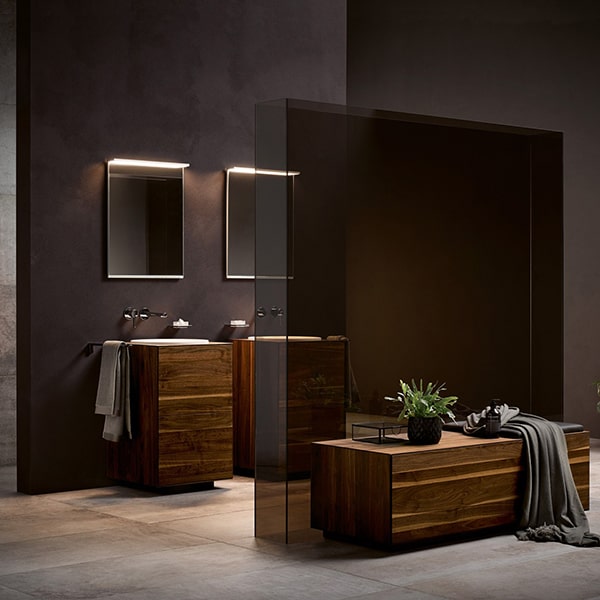
Aesthetics also play a significant role in office furniture selection. The design, color, and materials used in furniture contribute to the overall look and feel of the workspace. A well-furnished office creates a positive impression on clients and visitors, reflecting professionalism and attention to detail. Contemporary office furniture often features clean lines, neutral colors, and a blend of materials such as wood, metal, and glass. Businesses may also choose furniture that aligns with their brand identity, reinforcing their corporate image.
Durability and quality are essential considerations when purchasing office furniture. Since office furniture is used daily, it must be made from strong, long-lasting materials that can withstand wear and tear. High-quality furniture may require a higher initial investment, but it proves cost-effective over time by reducing the need for frequent replacements or repairs. Materials such as hardwood, high-grade metal, and durable upholstery are commonly preferred for their longevity.
Technology integration has become increasingly important in modern office furniture. With the rise of digital work environments, furniture must accommodate computers, charging ports, and cable management systems. Desks with built-in power outlets, conference tables with connectivity features, and adjustable standing desks are now common in many workplaces. These innovations enhance convenience and support a more dynamic work style.
In conclusion, office furniture is more than just a collection of desks and chairs; it is a fundamental component of a productive and efficient work environment. By focusing on ergonomics, functionality, aesthetics, durability, and technology integration, businesses can create a workspace that supports both employee well-being and organizational success. Investing in the right office furniture ultimately leads to improved performance, better organization, and a more professional workplace atmosphere.
