


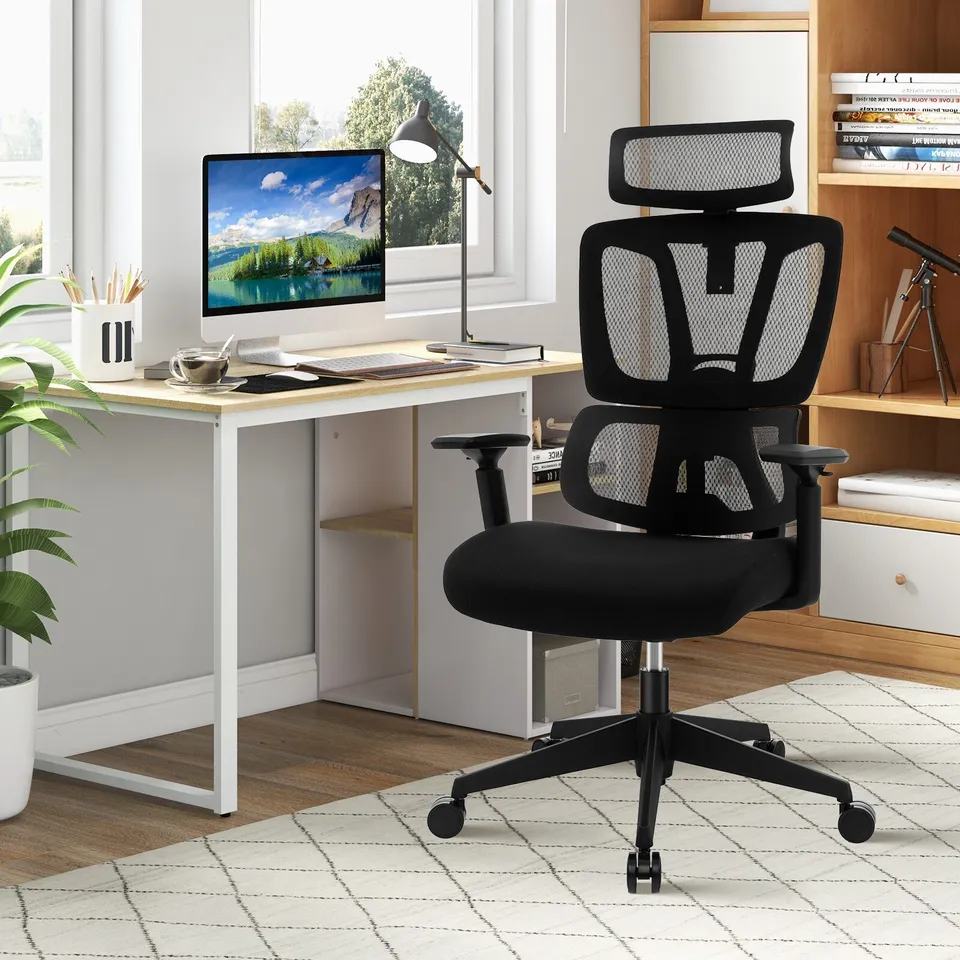


Ergonomic office chairs are an essential component of modern workspaces, designed to provide optimal support, comfort, and efficiency for individuals who spend long hours seated. Unlike traditional chairs, ergonomic chairs are engineered with the human body in mind, helping to maintain proper posture and reduce the risk of strain or injury. As workplaces increasingly prioritize employee well-being, ergonomic seating has become a standard rather than a luxury.
One of the defining features of ergonomic office chairs is adjustability. These chairs typically allow users to modify seat height, backrest angle, armrest position, and lumbar support to suit their body type and desk setup. Proper seat height ensures that feet rest flat on the floor while knees are at a 90-degree angle, promoting healthy circulation. Adjustable backrests and lumbar support help maintain the natural curve of the spine, preventing slouching and reducing lower back pain.
Lumbar support is particularly important in ergonomic design. The lower back, or lumbar region, is highly susceptible to strain during prolonged sitting. Ergonomic chairs are equipped with built-in or adjustable lumbar support that aligns with the spine’s natural inward curve. This feature minimizes pressure on the spine and helps prevent common issues such as backaches and muscle fatigue.
Comfort is another key advantage of ergonomic office chairs. High-quality cushioning, breathable mesh backs, and well-padded seats contribute to a more pleasant seating experience. Mesh materials, in particular, promote airflow, keeping users cool during extended periods of use. Additionally, armrests help reduce tension in the shoulders and neck by supporting the arms at a comfortable height.
Ergonomic chairs also play a significant role in boosting productivity. When employees are comfortable and free from physical discomfort, they can focus better on their tasks. Reduced fatigue and fewer health-related interruptions lead to improved efficiency and overall job performance. In contrast, poorly designed seating can lead to discomfort, distraction, and decreased productivity.
Another important aspect is durability and long-term value. Ergonomic office chairs are often constructed using high-quality materials such as reinforced frames, durable upholstery, and reliable adjustment mechanisms. While they may have a higher upfront cost, their longevity and health benefits make them a worthwhile investment for both businesses and individuals.
In today’s evolving work environment, ergonomic chairs are also adapting to new trends such as remote work and flexible office setups. Compact designs, modern aesthetics, and multifunctional features make them suitable for both corporate offices and home workspaces. Some advanced models even include features like headrests, reclining functions, and tilt tension control for enhanced customization.
In conclusion, ergonomic office chairs are a vital investment in health, comfort, and productivity. By supporting proper posture, reducing physical strain, and enhancing overall comfort, they contribute significantly to a better working experience. Whether in a corporate office or a home workspace, choosing the right ergonomic chair can make a substantial difference in both well-being and performance.
